As critical equipment in geological exploration and resource extraction, a core drill rig's design not only reflects rigorous engineering but also directly impacts its operational efficiency and adaptability. Understanding the appearance of a core drill rig helps users more intuitively grasp its functional features and applicable scenarios.
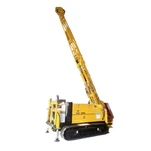
From a structural perspective, core drill rigs typically employ a modular design, consisting of a derrick, power system, drilling unit, and control platform. The derrick, the core support structure of the rig, is typically a truss or mast design, offering high strength and stability to withstand the vertical and lateral forces encountered during drilling. Some high-end models feature foldable or retractable derricks for easy transportation and rapid field deployment.
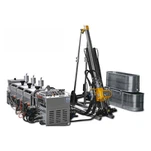
The power system, typically located at the bottom or side of the rig, is equipped with a high-power diesel engine or electric motor to meet the demands of long-duration operations. A metal shield protects the engine compartment from dust and rain while ensuring heat dissipation. Some models also incorporate an integrated hydraulic system, connected to the drilling unit via piping for efficient power transmission.
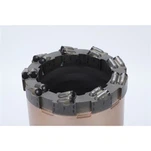
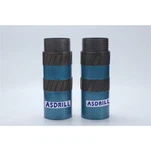
The drilling mechanism is the core component of a core drilling rig, consisting of the drill pipe, drill bit, and lifting mechanism. The drill pipe is cylindrical and smooth to reduce friction, with some models utilizing high-strength alloys for enhanced durability. The drill bit, located at the end of the pipe, is designed based on geological conditions. For example, diamond bits are suitable for hard rock formations, while roller bits are more suited to softer formations. The lifting mechanism, typically consisting of a winch and guide rails, controls the vertical movement of the drill pipe. Its structure is compact and highly stable.
The control platform, the hub for operator interaction with the equipment, is often constructed of non-slip steel plates or steel structures and equipped with an instrument panel, control buttons, and a display screen. Modern core drilling rigs are increasingly incorporating digital control systems, enabling parameter adjustment and status monitoring via touchscreens for enhanced operational convenience. Some models also incorporate guardrails and safety warning signs to ensure safety during field operations.
In summary, the design of a core drilling rig integrates engineering mechanics, materials science, and ergonomics, meeting the demands of operating in complex geological conditions while ensuring transportability and operational safety. These features make it an indispensable and efficient tool in the field of geological exploration.