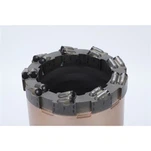
Mud materials, as essential building blocks in modern industry and engineering construction, play a vital role in oil drilling, construction, geological exploration, and other fields due to their unique physical and chemical properties. Understanding the characteristics of mud materials helps to better select and apply these products, thereby improving project efficiency and reducing costs.
First, mud materials must possess excellent rheological properties. Whether water-based or oil-based, parameters such as viscosity and shear force can be adjusted to suit specific working conditions. For example, in oil drilling, the rheological properties of the mud directly affect the rock-carrying capacity and wellbore stability of the drilling fluid. Therefore, high-quality mud materials must possess controllable rheological properties to ensure safe and efficient drilling.
Second, mud materials generally possess excellent suspension and carrying capabilities. During drilling, mud needs to carry drill cuttings from the bottom of the well to the surface while maintaining wellbore stability. High-quality mud materials can effectively suspend solid particles, prevent sedimentation, and ensure the proper operation of the drilling fluid circulation system. This property is particularly important in complex formations or deep well drilling, as it directly impacts drilling efficiency and safety.
Furthermore, mud materials must possess excellent chemical stability. Under high-temperature and high-pressure environments, mud materials must maintain stable performance to avoid degradation due to chemical reactions. For example, in certain high-temperature oil wells, mud materials must be heat-resistant and corrosion-resistant to extend service life and reduce maintenance costs.
Finally, environmental friendliness is also a key characteristic of modern mud materials. With increasingly stringent environmental regulations, low-toxic, biodegradable mud materials are becoming mainstream in the market. These materials not only reduce environmental pollution but also mitigate health risks during construction, aligning with the trend of sustainable development.
In summary, mud materials, with their excellent rheological properties, strong suspension capacity, high chemical stability, and outstanding environmental characteristics, have become the material of choice in many industrial fields. In the future, with technological advancements, mud materials will demonstrate their unique value in even more areas.