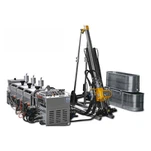
In the oil, gas, and geological exploration sectors, drill tools are critical tools, and their material directly impacts drilling efficiency, durability, and cost. With technological advancements, drill tool materials are constantly being upgraded to meet the demands of complex working conditions. This article will introduce the main materials and characteristics of drill tools.
Carbon Steel
Carbon steel is a common material for traditional drill tools. It offers high strength and wear resistance, making it suitable for drilling in low- to medium-strength formations. Its low cost and mature processing technology make it widely used in shallow-layer drilling operations or drilling in conventional geological conditions. However, carbon steel has weak corrosion resistance and is susceptible to corrosion in acidic or sulfur-containing environments, requiring coating or anti-corrosion treatment.
Alloy Steel
Alloy steel significantly enhances the strength and corrosion resistance of drill tools by adding elements such as chromium, molybdenum, and nickel. This material is suitable for high-temperature and high-pressure environments, such as deep drilling or offshore oil and gas development. Alloy steel drill tools offer a longer fatigue life, reducing replacement frequency and improving operational efficiency. However, their higher cost makes them primarily used in demanding working conditions.
Stainless Steel
Stainless steel drill tools are renowned for their excellent corrosion resistance, making them particularly suitable for use in corrosive environments containing hydrogen sulfide (H₂S) or carbon dioxide (CO₂). Their smooth surface and low coefficient of friction help reduce drilling resistance. However, stainless steel's relatively low hardness makes it susceptible to wear in hard formations, necessitating its use in combination with other materials.
Titanium Alloy
Titanium alloy has become a popular choice for high-end drill tools in recent years, offering low density, high strength, and excellent corrosion resistance. Its lightweight nature reduces rig loads and extends its service life. However, titanium alloys are difficult to machine and expensive, and are currently primarily used for specialized projects or deepwater drilling.
Composite Materials
Composite drill tools combine the advantages of multiple materials, such as carbon fiber reinforced plastic (CFRP), which combines high strength with lightweight properties. These materials offer excellent fatigue resistance and are suitable for use in extreme environments, but the technical barriers to entry are high and they are not yet fully adopted.
Selecting the appropriate drill tool material requires a comprehensive consideration of formation conditions, operating depth, and budget. With the advancement of materials science, drilling tools will be made of more diverse materials in the future, providing more efficient solutions for the exploration industry.