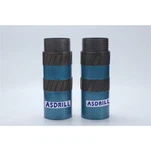
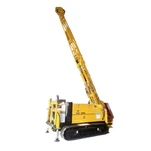
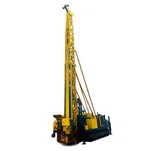
In fields such as oil and gas, and geological exploration, proper operation of drill tools directly impacts efficiency and safety. Mastering scientific drill tool operation methods not only extends equipment life but also reduces the risk of accidents. This article systematically introduces the core operating procedures and precautions for drill tools.
Drill Tool Assembly and Inspection
Before operation, the drill tool must be thoroughly inspected to ensure that all components are free of wear, deformation, or cracks. Special attention should be paid to checking the drill pipe threads, the tightness of the joints, and the sharpness of the drill bit. During assembly, threads must be tightened to the standard torque to avoid failure due to over-loosening or over-tightening. Furthermore, it is important to confirm that the drill tool is compatible with the drilling rig to prevent malfunctions caused by mismatched specifications.
Drilling Process Control
Drilling speed and pressure must be adjusted according to the formation characteristics. In soft formations, the speed can be increased to improve efficiency, while in hard formations, the speed should be reduced and the pressure increased to avoid excessive wear on the drill bit. Operators should monitor the weight on bit, torque, and mud flow in real time and immediately stop the machine for inspection if any abnormalities are detected. Furthermore, drill cuttings should be regularly cleaned to prevent accumulation that could affect drilling performance.
Drill Tool Maintenance and Care
After each operation, thoroughly clean the drill tool, especially the threads and drill bit, to prevent residue from corroding the equipment. During long-term storage, apply rust-preventive oil and store in a dry environment. Regularly inspect the drill tool for flaws and promptly replace any aging components to ensure it remains in optimal condition.
Safety Tips
Operators must wear protective equipment, such as a hard hat, goggles, and non-slip gloves. During drilling operation, avoid approaching rotating parts to prevent clothing or tools from becoming entangled. In the event of an emergency, such as a stuck drill, operations must be stopped immediately and emergency procedures must be followed. Never force the operation.
Scientific drill tool operation techniques not only improve efficiency but also ensure the safety of both personnel and equipment. With technological advancements, intelligent drill tool management systems are becoming increasingly common, enabling even more precise and efficient operations. Mastering basic operating procedures is essential for every operator.