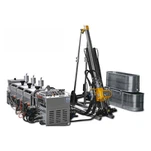
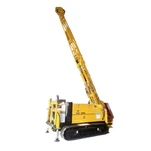
In the oil, gas, and mineral extraction industries, drill tools are core equipment, and their performance directly impacts operational efficiency and safety. However, many companies often neglect daily drill tool care, leading to accelerated equipment wear, increased repair costs, and even safety incidents. This article will introduce key points in daily drill tool care to help practitioners extend equipment life and improve operational stability.
Regular Cleaning and Inspection
Drill tools come into contact with impurities such as mud and sand during use. Long-term accumulation can cause component wear or corrosion. Therefore, after each operation, the drill tool surface and internal channels, especially threads and seals, must be thoroughly cleaned. After cleaning, a visual inspection should be conducted, focusing on cracks, deformation, or abnormal wear. Any minor damage should be repaired promptly to prevent further problems.
Proper Lubrication and Rust Prevention
The rotating and connecting parts of drill tools rely on a lubrication system to reduce friction. Regularly replenish lubricants that meet the equipment's requirements, and ensure that the lubrication system is free of blockages. Furthermore, drill tools are susceptible to rusting due to humidity during storage or transportation. Applying rust-inhibiting oil or using moisture-proof packaging is recommended. For drill tools that have been idle for an extended period, the lubrication status should be regularly checked and rust inhibitor should be reapplied.
Thread Maintenance and Torque Management
Threads are a critical component of drill tool connections. Damage or improper torque can lead to connection failure or even downhole accidents. Whenever disassembling and reassembling drill tools, use specialized tools and tighten according to the standard torque value. If thread wear or galling is observed, repair or replace the component promptly.
Storage Environment and Transportation Protection
Drill tools should be stored in a dry, well-ventilated environment, away from direct sunlight and chemical corrosion. During long-term storage, it is recommended that the drill tools be hung or laid flat to prevent localized compression and deformation. During transportation, they should be secured with specialized supports to prevent structural damage from collisions and vibrations.
Through scientific daily care, the service life of drill tools can be significantly extended while reducing operational risks. Companies should incorporate drill tool maintenance into standardized procedures and provide regular operator training to ensure compliance with specifications at every stage. Only by paying attention to detail can efficient and safe mining be achieved.