In the oil, gas, and geological exploration sectors, drill tool performance directly impacts operational efficiency and safety. Different geological conditions and working conditions place diverse demands on drill tools. Understanding their applicable environments helps optimize drilling plans and reduce operating costs.
Rock Type and Drill Tool Selection
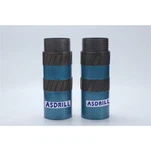
The suitability of drill tools primarily depends on the hardness and structure of the rock. In soft rock formations (such as shale and mudstone), roller cone bits or PDC (polycrystalline diamond compact) drill bits are preferred due to their high cutting efficiency. These bits rapidly break rock through a rolling or scraping action, making them suitable for drilling in shallow to medium depths. In hard rock (such as granite and basalt) or highly abrasive formations, diamond-impregnated drill bits excel due to their high wear and impact resistance and are often used for drilling deep or complex geological structures.
Temperature and Pressure Environments
High-pressure, high-temperature (HPHT) environments place stringent demands on drill tool materials. In high-temperature well sections exceeding 150°C, drill tools must be constructed of heat-resistant alloy steel or special coatings to prevent thread deformation and seal failure. In deepwater drilling, high pressures can cause hydrogen embrittlement in drill pipe, necessitating the use of high-strength, low-sulfur steel and enhanced corrosion protection.
Managing Special Working Conditions
In horizontal or extended-reach wells, drill tools must exhibit excellent steering and stability. A bent-housing motor combined with a stabilizer effectively controls the wellbore trajectory and reduces wellbore friction. Furthermore, the corrosive environment of sulfur-containing oil and gas fields requires coating or alloying of the drill tool surface to extend its service life.
Balancing Environmental Protection and Efficiency
With increasingly stringent environmental regulations, low-pollution drilling fluid systems are becoming increasingly popular. Water-based drilling fluids are less corrosive to drill tools but require rust-proof coatings. Oil-based drilling fluids, while offering better lubricity, can accelerate seal degradation. Therefore, drilling tool selection must balance operating costs with environmental compliance.
Understanding the matching rules between drilling tools and the environment not only improves drilling efficiency but also reduces non-productive time. In the future, the application of intelligent drilling tools and new materials will further expand their applicability and drive the industry towards efficient and sustainable development.