As a supplier of Hydraulic Underground Core Drilling Rigs, I understand the critical importance of proper maintenance for these powerful machines. In this blog, I'll delve into the various types of maintenance that a Hydraulic Underground Core Drilling Rig requires to ensure its optimal performance, longevity, and safety.
Regular Inspections
Regular inspections are the cornerstone of maintaining a Hydraulic Underground Core Drilling Rig. These inspections should be conducted daily, weekly, monthly, and annually, depending on the specific components and their usage.
Daily Inspections
- Fluid Levels: Check the hydraulic fluid, engine oil, coolant, and fuel levels. Low fluid levels can lead to overheating, increased wear and tear, and potential damage to the rig's components.
- Hoses and Fittings: Inspect all hydraulic hoses and fittings for leaks, cracks, or signs of wear. Any damaged hoses or fittings should be replaced immediately to prevent hydraulic fluid loss and potential safety hazards.
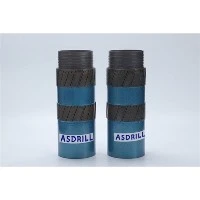
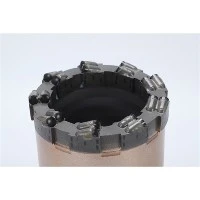
- Drill Bits and Rods: Examine the drill bits and rods for wear, damage, or dullness. Worn or damaged drill bits can reduce drilling efficiency and increase the risk of breakage. Replace drill bits and rods as needed to maintain optimal drilling performance.
- Safety Devices: Check all safety devices, such as emergency stop buttons, safety guards, and warning lights, to ensure they are functioning properly. Any malfunctioning safety devices should be repaired or replaced immediately to prevent accidents.
Weekly Inspections
- Filter Replacements: Replace the hydraulic filters, air filters, and fuel filters according to the manufacturer's recommendations. Clean filters help to prevent contaminants from entering the hydraulic system, engine, and fuel system, which can cause damage and reduce performance.
- Lubrication: Lubricate all moving parts, such as the drill head, feed system, and swivel, with the appropriate lubricants. Proper lubrication reduces friction, wear, and heat generation, which can extend the life of the rig's components.
- Electrical System: Inspect the electrical system for loose connections, damaged wires, or signs of corrosion. A faulty electrical system can cause malfunctions, electrical shocks, or even fires. Repair or replace any damaged electrical components as needed.
Monthly Inspections
- Hydraulic System: Check the hydraulic system for leaks, pressure drops, and proper operation. Test the hydraulic pumps, valves, and cylinders to ensure they are functioning within the specified parameters. Any hydraulic system issues should be addressed immediately to prevent further damage.
- Engine: Inspect the engine for oil leaks, coolant leaks, and proper operation. Check the engine's air intake, exhaust system, and fuel system for any signs of damage or blockage. Perform regular engine maintenance, such as oil changes, spark plug replacements, and air filter cleanings, according to the manufacturer's recommendations.
- Structural Components: Inspect the rig's structural components, such as the mast, base, and frame, for cracks, deformation, or signs of wear. Any structural damage should be repaired or replaced immediately to ensure the rig's stability and safety.
Annual Inspections
- Comprehensive Maintenance: Conduct a comprehensive maintenance check of the entire rig, including all components, systems, and safety devices. This may include disassembling and inspecting the drill head, feed system, swivel, and other critical components. Replace any worn or damaged parts as needed.
- Calibration: Calibrate all instruments and sensors, such as pressure gauges, flow meters, and depth indicators, to ensure accurate readings. Calibration helps to maintain the rig's performance and safety.
- Documentation: Update the rig's maintenance records, including inspection reports, repair history, and component replacements. Proper documentation helps to track the rig's maintenance history and ensure compliance with safety regulations.
Preventive Maintenance
In addition to regular inspections, preventive maintenance is essential for keeping a Hydraulic Underground Core Drilling Rig in top condition. Preventive maintenance involves taking proactive measures to prevent problems before they occur, which can save time, money, and downtime.
Training and Education
- Operator Training: Provide comprehensive training to all operators on the proper operation, maintenance, and safety procedures of the Hydraulic Underground Core Drilling Rig. Well-trained operators are more likely to identify and address potential problems early, which can prevent costly repairs and downtime.
- Maintenance Training: Train maintenance personnel on the specific maintenance requirements of the rig, including how to perform inspections, repairs, and component replacements. Proper maintenance training ensures that the rig is maintained correctly and safely.
Component Replacement
- Wear Parts: Replace wear parts, such as drill bits, rods, seals, and gaskets, at regular intervals to prevent premature failure. Worn or damaged wear parts can cause reduced drilling efficiency, increased wear and tear on other components, and potential safety hazards.
- Critical Components: Replace critical components, such as hydraulic pumps, motors, and valves, according to the manufacturer's recommendations. Critical components are essential for the proper operation of the rig, and their failure can cause significant downtime and costly repairs.
Fluid Management
- Hydraulic Fluid: Use high-quality hydraulic fluid that meets the manufacturer's specifications. Change the hydraulic fluid at regular intervals to prevent contamination and ensure optimal performance.
- Engine Oil: Use the recommended engine oil and change it at regular intervals to prevent engine wear and damage.
- Coolant: Use the appropriate coolant and maintain the proper coolant level to prevent overheating and engine damage.
Corrective Maintenance
Despite regular inspections and preventive maintenance, problems may still occur with a Hydraulic Underground Core Drilling Rig. Corrective maintenance involves identifying and fixing problems as they arise to minimize downtime and prevent further damage.
Troubleshooting
- Diagnostic Tools: Use diagnostic tools, such as pressure gauges, flow meters, and vibration analyzers, to identify the root cause of problems. Diagnostic tools can help to pinpoint the source of the problem and determine the appropriate course of action.
- Problem Solving: Once the root cause of the problem has been identified, develop a plan to fix the problem. This may involve replacing damaged components, adjusting settings, or performing repairs.
Repairs and Replacements
- Component Replacement: Replace any damaged or worn components with new ones. Use high-quality replacement parts that meet the manufacturer's specifications to ensure optimal performance and reliability.
- Repairs: Perform repairs on components that can be repaired, such as hydraulic cylinders, pumps, and valves. Repairs should be performed by qualified technicians using the appropriate tools and techniques.
Safety Considerations
Safety is of utmost importance when maintaining a Hydraulic Underground Core Drilling Rig. The following safety considerations should be taken into account:


- Personal Protective Equipment (PPE): Wear appropriate PPE, such as hard hats, safety glasses, gloves, and steel-toed boots, when working on the rig. PPE helps to protect against injuries from falling objects, flying debris, and other hazards.
- Lockout/Tagout Procedures: Follow lockout/tagout procedures when performing maintenance on the rig. Lockout/tagout procedures help to prevent accidental startup of the rig, which can cause serious injuries or death.
- Safety Training: Provide comprehensive safety training to all operators and maintenance personnel on the proper safety procedures for working on the rig. Safety training helps to ensure that everyone understands the potential hazards and how to avoid them.
Conclusion
Proper maintenance is essential for keeping a Hydraulic Underground Core Drilling Rig in optimal condition. Regular inspections, preventive maintenance, and corrective maintenance are all necessary to ensure the rig's performance, longevity, and safety. By following the maintenance guidelines outlined in this blog, you can minimize downtime, reduce repair costs, and extend the life of your Hydraulic Underground Core Drilling Rig.
If you're in the market for a Hydraulic Underground Core Drilling Rig or a Hydraulic Underground Drill Rig, or if you have any questions about maintenance or operation, please don't hesitate to contact us. We're here to help you find the right rig for your needs and provide you with the support and service you deserve.