As a supplier of Hydraulic Underground Core Drilling Rigs, I've seen firsthand how crucial the drill pipe is in these rigs. In this blog, I'll break down the role of the drill pipe in a hydraulic underground core drilling rig, so you can understand its importance and why it's a key component in the drilling process.
What is a Drill Pipe?
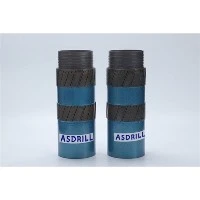
First off, let's talk about what a drill pipe is. It's a long, hollow tube made of high - strength steel. The drill pipe is used to connect the drilling rig at the surface to the drill bit down in the borehole. It's like a bridge that allows the transfer of power and materials between the rig and the bit.
Power Transmission
One of the main roles of the drill pipe is to transmit power from the hydraulic underground core drilling rig to the drill bit. The rig generates a lot of power, and this power needs to be transferred efficiently to the bit so that it can cut through the rock. The drill pipe acts as a conduit for this power.
The hydraulic system in the Hydraulic Underground Core Drilling Rig provides the energy to rotate the drill pipe. As the drill pipe rotates, it transfers this rotational energy to the drill bit. The drill bit then uses this energy to break through the rock layers. Without the drill pipe, it would be impossible to transfer this power effectively, and the drilling process would come to a halt.
Fluid Circulation
Another important role of the drill pipe is to facilitate fluid circulation. During the drilling process, drilling fluid, also known as drilling mud, is pumped down through the drill pipe. This fluid has several functions.
Firstly, it cools the drill bit. Drilling through hard rock generates a lot of heat, and if the drill bit gets too hot, it can wear out quickly. The drilling fluid absorbs the heat and carries it away from the bit, keeping it at a safe operating temperature.
Secondly, the drilling fluid helps to remove the cuttings from the borehole. As the drill bit breaks through the rock, it creates small rock fragments called cuttings. The drilling fluid flushes these cuttings up to the surface through the annulus (the space between the drill pipe and the borehole wall). This keeps the borehole clean and prevents the cuttings from interfering with the drilling process.
Core Retrieval
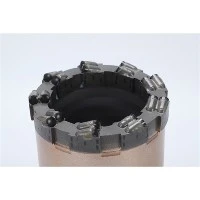
In core drilling, the goal is to obtain a cylindrical sample of the rock, known as a core. The drill pipe plays a vital role in core retrieval. Inside the drill pipe, there is a core barrel that collects the core as the drill bit cuts through the rock.


Once the core is collected in the core barrel, the drill pipe is lifted out of the borehole. The core can then be removed from the core barrel for analysis. This allows geologists and other professionals to study the rock layers and gather information about the subsurface geology.
Structural Support
The drill pipe also provides structural support during the drilling process. It needs to withstand a lot of stress and pressure. The weight of the drill bit, the force of the rotation, and the pressure from the drilling fluid all put stress on the drill pipe.
High - quality drill pipes are designed to be strong and durable. They are made from materials that can resist bending, torsion, and fatigue. This ensures that the drill pipe can maintain its integrity during the drilling process and prevent any failures that could lead to costly downtime.
Types of Drill Pipes
There are different types of drill pipes available, and each type is designed for specific drilling conditions. For example, some drill pipes are designed for shallow drilling, while others are suitable for deep - hole drilling.
The selection of the drill pipe depends on factors such as the depth of the borehole, the type of rock being drilled, and the drilling method. As a supplier of Hydraulic Underground Drill Rig, we can help you choose the right drill pipe for your specific needs.
Maintenance of Drill Pipes
Proper maintenance of drill pipes is essential to ensure their longevity and performance. Regular inspections should be carried out to check for any signs of wear, corrosion, or damage.
The threads on the drill pipe are particularly important. They need to be clean and in good condition to ensure a proper connection between the drill pipe sections. If the threads are damaged, it can lead to leaks and other problems during the drilling process.
Conclusion
In conclusion, the drill pipe is an essential component of a hydraulic underground core drilling rig. It plays a crucial role in power transmission, fluid circulation, core retrieval, and structural support. Without a reliable drill pipe, the drilling process would be much more difficult and less efficient.
If you're in the market for a hydraulic underground core drilling rig or need advice on drill pipes, we're here to help. We have a wide range of high - quality products and experienced staff who can assist you in making the right choices for your drilling projects. Don't hesitate to contact us to discuss your requirements and start a procurement negotiation.