Hey there! As a supplier of Hydraulic Underground Core Drilling Rigs, I often get asked about the noise level of these machines during operation. It's a valid concern, especially for those working in environments where noise can be a major issue, like underground mines or construction sites. In this blog, I'll break down the factors that influence the noise level of a hydraulic underground core drilling rig and what you can expect in terms of noise output.
Understanding the Basics of Hydraulic Underground Core Drilling Rigs
First off, let's quickly go over what a Hydraulic Underground Core Drilling Rig is. These rigs are designed to extract core samples from the ground in underground settings. They use hydraulic power to drive the drilling process, which involves rotating a drill bit to cut through rock and soil.
The main components of a hydraulic underground core drilling rig include the drill head, the feed system, the hydraulic pump, and the control panel. Each of these components plays a role in the overall operation of the rig and can contribute to the noise level.
Factors Affecting the Noise Level
1. Hydraulic System
The hydraulic system is one of the major sources of noise in a hydraulic underground core drilling rig. The hydraulic pump, which pressurizes the hydraulic fluid, can generate a significant amount of noise. The noise is mainly caused by the mechanical movement of the pump's internal components, such as the pistons and valves. The higher the pressure and flow rate of the hydraulic system, the louder the noise.


For example, if the hydraulic pump is operating at a high pressure to drive the drill bit through hard rock, it will produce more noise compared to when it's operating at a lower pressure for softer materials.
2. Drill Bit and Cutting Process
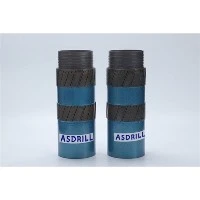
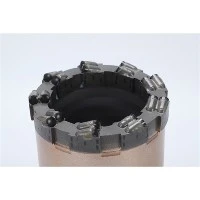
The drill bit is in direct contact with the rock or soil being drilled. As it rotates and cuts through the material, it creates a lot of noise. The type of drill bit, its design, and the hardness of the material being drilled all affect the noise level.
A dull drill bit will require more force to cut through the material, which can increase the noise. Similarly, drilling through hard rock will generate more noise than drilling through softer soil.
3. Rig Design and Construction
The design and construction of the rig also play a role in the noise level. A well-designed rig with proper sound insulation and vibration dampening features can reduce the noise output. For instance, some rigs are equipped with enclosures around the hydraulic pump and other noisy components to contain the noise.
On the other hand, a poorly designed rig may have loose components or lack proper insulation, which can lead to increased noise levels.
4. Operating Conditions
The operating conditions, such as the depth of the drill hole, the presence of water or other fluids, and the ambient temperature, can also affect the noise level. Drilling at greater depths may require more power, which can increase the noise. Water or other fluids can act as a lubricant, reducing the friction between the drill bit and the material, and thus reducing the noise.
Typical Noise Levels
The noise level of a hydraulic underground core drilling rig can vary depending on the factors mentioned above. On average, the noise level can range from 80 to 100 decibels (dB). To put this into perspective, normal conversation is around 60 dB, and a lawn mower typically produces around 90 dB of noise.
At the lower end of the range (around 80 dB), the noise is similar to that of a busy street. At the higher end (around 100 dB), it's comparable to the noise of a chainsaw. Prolonged exposure to noise levels above 85 dB can cause hearing damage, so it's important to take appropriate safety measures.
Noise Reduction Measures
As a supplier of Hydraulic Underground Drill Rig, we understand the importance of reducing noise levels. Here are some of the measures we take to minimize the noise output of our rigs:
1. Sound Insulation
We use high-quality sound insulation materials to enclose the noisy components of the rig, such as the hydraulic pump and the engine. This helps to contain the noise and prevent it from spreading to the surrounding environment.
2. Vibration Dampening
Vibration is another source of noise in a drilling rig. We use vibration dampening materials and techniques to reduce the vibration of the rig, which in turn reduces the noise.
3. Drill Bit Design
We design our drill bits to be as efficient as possible, which reduces the amount of force required to cut through the material. This not only reduces the noise but also improves the drilling performance.
4. Operator Training
Proper operator training is essential for reducing noise levels. We provide our customers with training on how to operate the rig efficiently and safely, which includes techniques for reducing noise.
Why Choose Our Hydraulic Underground Core Drilling Rigs
If you're in the market for a hydraulic underground core drilling rig, here are some reasons why you should choose our products:
- Low Noise Levels: As mentioned above, we take several measures to reduce the noise output of our rigs. This means a more comfortable working environment for your operators and less disturbance to the surrounding area.
- High Performance: Our rigs are designed to be highly efficient and reliable. They can handle a wide range of drilling applications, from soft soil to hard rock.
- Customization: We understand that every customer has unique requirements. That's why we offer customized solutions to meet your specific needs.
- Excellent Customer Support: We provide our customers with comprehensive customer support, including installation, maintenance, and technical assistance.
Contact Us for a Purchase
If you're interested in purchasing a hydraulic underground core drilling rig, we'd love to hear from you. Our team of experts can help you choose the right rig for your needs and provide you with a competitive quote. Don't hesitate to reach out to us for more information or to discuss your requirements.