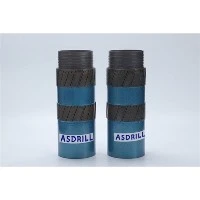
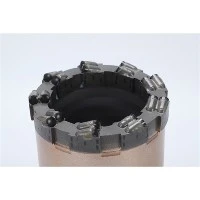
A hydraulic underground drill rig is a powerful and essential piece of equipment in the mining and construction industries. It is designed to penetrate hard rock and soil layers deep underground. However, the efficiency and performance of the drill rig largely depend on the sharpness of its drill bit. A dull drill bit can lead to slower drilling speeds, increased energy consumption, and poor hole quality. As a leading supplier of Hydraulic Underground Drill Rig, I understand the importance of maintaining sharp drill bits. In this blog, I will share some effective methods on how to sharpen the drill bit of a hydraulic underground drill rig.
Understanding the Drill Bit
Before we start sharpening the drill bit, it is crucial to understand its structure and the materials it is made of. Drill bits for hydraulic underground drill rigs are typically made of high - speed steel (HSS), carbide, or diamond. Each material has its own characteristics and requires different sharpening techniques.
High - speed steel drill bits are relatively common and cost - effective. They can withstand high temperatures during drilling but may dull more quickly compared to carbide or diamond bits. Carbide drill bits are extremely hard and wear - resistant, making them suitable for drilling hard rocks. Diamond drill bits, on the other hand, are used for the most challenging drilling tasks and offer the highest level of durability and cutting performance.
Pre - sharpening Inspection
The first step in sharpening a drill bit is to conduct a thorough inspection. Check the drill bit for any signs of damage, such as cracks, chips, or excessive wear. If the drill bit is severely damaged, it may need to be replaced rather than sharpened. Inspect the cutting edges and the flutes of the drill bit. The cutting edges should be straight and free of nicks, and the flutes should be clean and unobstructed to ensure proper chip removal during drilling.
Sharpening Tools
To sharpen the drill bit of a hydraulic underground drill rig, you will need the appropriate tools. Here are some commonly used sharpening tools:
- Bench Grinder: A bench grinder is a popular choice for sharpening drill bits. It consists of a rotating abrasive wheel that can remove material from the drill bit to restore its cutting edges. Make sure to use a wheel with the appropriate grit size for the type of drill bit material. For high - speed steel drill bits, a medium - grit wheel (around 60 - 80 grit) is usually sufficient. For carbide drill bits, a finer - grit wheel (100 - 120 grit) is recommended.
- Sharpening Jig: A sharpening jig is a device that helps to hold the drill bit at the correct angle during the sharpening process. It ensures consistent and accurate sharpening, especially for complex drill bit geometries. There are various types of sharpening jigs available on the market, each designed for specific drill bit sizes and shapes.
- Diamond File: A diamond file can be used for fine - tuning the cutting edges of the drill bit, especially for carbide and diamond drill bits. It is a precise tool that can remove small amounts of material without overheating the drill bit.
Sharpening Process
High - Speed Steel Drill Bits
- Secure the Drill Bit: Use a vise or a drill bit holder to secure the drill bit firmly. Make sure it is held at the correct angle for sharpening. The point angle of a standard drill bit is usually around 118 degrees for general - purpose drilling.
- Start Grinding: Turn on the bench grinder and gently bring the drill bit to the grinding wheel. Apply light pressure and move the drill bit back and forth along the face of the wheel to create a smooth and even cutting edge. Keep the drill bit at the correct angle throughout the grinding process. It is important not to overheat the drill bit, as excessive heat can cause the steel to lose its hardness. To prevent overheating, dip the drill bit in water periodically during the grinding process.
- Check the Point Angle: Use a protractor or a drill bit gauge to check the point angle of the drill bit. Adjust the grinding as needed to achieve the desired point angle.
- Grind the Flutes: After sharpening the cutting edges, you may also need to grind the flutes of the drill bit. This helps to improve chip removal and reduces the risk of clogging during drilling. Use a small grinding wheel or a file to carefully grind the flutes, following the original shape of the drill bit.
- Finish with a Diamond File: Once the rough grinding is done, use a diamond file to smooth out the cutting edges and remove any burrs or rough spots. This will give the drill bit a finer finish and improve its cutting performance.
Carbide Drill Bits
- Use a Specialized Grinding Wheel: Carbide drill bits require a different approach to sharpening compared to high - speed steel drill bits. Use a grinding wheel specifically designed for carbide materials. These wheels are usually made of silicon carbide or diamond and have a finer grit to prevent chipping of the carbide.
- Secure and Angle the Drill Bit: Similar to high - speed steel drill bits, secure the carbide drill bit in a vise or a drill bit holder at the correct angle. The point angle for carbide drill bits may vary depending on the application, but it is typically around 130 - 140 degrees for hard - rock drilling.
- Grind Carefully: Turn on the grinding wheel and slowly bring the carbide drill bit to the wheel. Apply very light pressure and make short, controlled grinding strokes. Carbide is a brittle material, so it is important not to apply too much pressure or force, as this can cause the carbide to crack or chip.
- Cooling: To prevent overheating of the carbide drill bit, use a coolant during the grinding process. A coolant helps to dissipate heat and reduces the risk of thermal damage to the carbide.
- Final Finishing: After grinding, use a diamond file to finish the cutting edges of the carbide drill bit. This will ensure a smooth and sharp cutting surface.
Diamond Drill Bits
Sharpening diamond drill bits is a more complex process and often requires specialized equipment and expertise. In most cases, it is recommended to send diamond drill bits to a professional sharpening service. However, if you have the necessary skills and equipment, here are the general steps:
- Inspect the Diamond Segments: Check the diamond segments of the drill bit for wear and damage. If the diamond segments are severely worn or damaged, they may need to be replaced.
- Use a Diamond - Grinding Wheel: A diamond - grinding wheel is required to sharpen diamond drill bits. This type of wheel has diamond particles embedded in its surface, which can effectively grind the diamond segments of the drill bit.
- Precise Grinding: Sharpening diamond drill bits requires a high level of precision. Use a sharpening jig to hold the drill bit at the correct angle and ensure consistent grinding. Apply light pressure and make slow, controlled grinding movements.
- Cleaning: After sharpening, clean the diamond drill bit thoroughly to remove any debris or grinding dust. This will help to maintain the performance of the drill bit.
Post - sharpening Care
Once the drill bit is sharpened, it is important to take proper care of it to ensure its longevity and performance.
- Clean the Drill Bit: After sharpening, clean the drill bit with a wire brush or a cleaning solvent to remove any grinding debris or metal shavings. This will prevent the debris from causing damage to the drill bit during drilling.
- Lubrication: Apply a thin layer of lubricant to the drill bit to protect it from corrosion and reduce friction during drilling. A high - quality cutting fluid or oil can be used for this purpose.
- Storage: Store the sharpened drill bit in a dry and clean place. Use a drill bit case or a storage rack to keep the drill bit organized and prevent it from getting damaged.
Conclusion
Sharpening the drill bit of a hydraulic underground drill rig is a crucial maintenance task that can significantly improve the performance and efficiency of the drill rig. By understanding the different types of drill bits, using the appropriate sharpening tools, and following the correct sharpening process, you can extend the life of your drill bits and ensure optimal drilling results.
As a trusted supplier of Hydraulic Underground Core Drilling Rig, we are committed to providing high - quality drill rigs and accessories, as well as professional technical support. If you have any questions about drill bit sharpening or need to purchase a new drill rig, please feel free to contact us. We look forward to discussing your specific needs and helping you find the best solutions for your drilling projects.


References
- "Drill Bit Sharpening Guide" by Industrial Tooling Corporation
- "Mining Drilling Equipment Handbook" by International Mining Publications