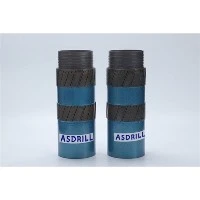
As a supplier of Hydraulic Underground Core Drilling Rigs, I often get asked whether our equipment can be effectively used in various geological conditions. This is a crucial question for anyone involved in the mining, construction, or geological exploration industries, as the success of a project often hinges on the performance of the drilling rig in the specific geological environment.
Understanding Hydraulic Underground Core Drilling Rigs
Before delving into the adaptability of hydraulic underground core drilling rigs to different geological conditions, it's important to understand what these rigs are and how they work. A Hydraulic Underground Core Drilling Rig is a specialized piece of equipment designed to extract cylindrical samples (cores) from the subsurface. These cores provide valuable information about the geological composition, structure, and properties of the rock or soil layers.
The hydraulic system in these rigs plays a vital role in their operation. It provides the power needed to drive the drill bit into the ground, control the speed and pressure of the drilling process, and lift the core samples to the surface. Hydraulic systems offer several advantages, including high power density, precise control, and the ability to operate in harsh environments.
Adaptability to Different Geological Conditions
Hard Rock Formations
Hard rock formations, such as granite, basalt, and quartzite, pose significant challenges for drilling operations. These rocks are characterized by their high strength, abrasiveness, and low porosity. However, hydraulic underground core drilling rigs are well-suited for these conditions.
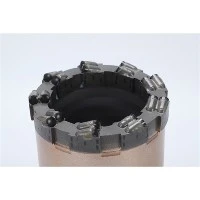
The high power output of the hydraulic system allows the drill bit to penetrate hard rock layers effectively. Advanced drill bits, such as diamond-impregnated bits, can be used to enhance the cutting efficiency and durability in hard rock. Additionally, the ability to control the drilling parameters, such as rotation speed and feed pressure, enables operators to optimize the drilling process and minimize wear on the drill bit.
Soft Rock and Sedimentary Formations
Soft rock and sedimentary formations, such as sandstone, shale, and limestone, have different properties compared to hard rock. They are generally less dense, more porous, and more prone to deformation. Hydraulic underground core drilling rigs can also be used in these conditions, but some adjustments may be required.
In soft rock formations, the drilling speed can be increased to improve productivity. However, care must be taken to prevent the drill bit from getting stuck or causing excessive damage to the core samples. The hydraulic system can be adjusted to provide a lower feed pressure and a higher rotation speed to ensure smooth drilling.
Unconsolidated Soils and Alluvium
Unconsolidated soils and alluvium, such as sand, gravel, and clay, present unique challenges for drilling. These materials are loose and lack cohesion, making it difficult to maintain the integrity of the borehole. Hydraulic underground core drilling rigs can be equipped with specialized drilling techniques and tools to overcome these challenges.
One approach is to use a casing system to support the borehole and prevent collapse. The hydraulic system can be used to drive the casing into the ground and ensure its proper installation. Additionally, the use of a mud or slurry system can help to stabilize the borehole and carry the cuttings to the surface.
Fault Zones and Fractured Rock
Fault zones and fractured rock are areas where the rock has been broken and displaced. These areas can be difficult to drill through due to the presence of loose rock fragments, water inflow, and variable rock properties. Hydraulic underground core drilling rigs can be used in these conditions, but additional precautions may be necessary.


In fault zones, it is important to use a drill bit that can handle the irregularities in the rock and prevent the bit from getting stuck. The hydraulic system can be used to apply additional pressure and torque to overcome the resistance of the fractured rock. Additionally, the use of a downhole camera or other logging tools can provide valuable information about the structure and properties of the fault zone.
Factors Affecting the Performance of Hydraulic Underground Core Drilling Rigs
While hydraulic underground core drilling rigs are designed to be versatile and adaptable to different geological conditions, several factors can affect their performance. These factors include:
Drill Bit Selection
The choice of drill bit is crucial for the success of a drilling operation. Different drill bits are designed for specific geological conditions, and using the wrong bit can result in poor performance, increased wear, and higher costs. When selecting a drill bit, factors such as the rock type, hardness, abrasiveness, and drilling depth should be considered.
Drilling Fluid
Drilling fluid, also known as mud or slurry, plays an important role in the drilling process. It helps to cool and lubricate the drill bit, carry the cuttings to the surface, and stabilize the borehole. The type and properties of the drilling fluid should be selected based on the geological conditions and the drilling requirements.
Operator Skill and Experience
The skill and experience of the operator can have a significant impact on the performance of the drilling rig. A skilled operator can optimize the drilling parameters, troubleshoot problems, and ensure the safety and efficiency of the operation. Proper training and certification are essential for operators to ensure they have the necessary knowledge and skills to operate the rig effectively.
Maintenance and Service
Regular maintenance and service are essential for the reliable operation of hydraulic underground core drilling rigs. This includes routine inspections, lubrication, and replacement of worn parts. A well-maintained rig is less likely to experience breakdowns and downtime, which can result in increased productivity and cost savings.
Conclusion
In conclusion, hydraulic underground core drilling rigs are highly versatile and can be used in a wide range of geological conditions. Their adaptability is due to the advanced hydraulic systems, specialized drill bits, and drilling techniques that are available. However, the performance of the rig can be affected by several factors, including drill bit selection, drilling fluid, operator skill, and maintenance.
As a supplier of Hydraulic Underground Drill Rigs, we are committed to providing our customers with high-quality equipment and support. Our rigs are designed to meet the demanding requirements of different geological conditions and are backed by a team of experienced engineers and technicians.
If you are in the market for a hydraulic underground core drilling rig or have any questions about our products, please feel free to contact us to discuss your specific needs and requirements. We look forward to working with you to find the best solution for your drilling project.