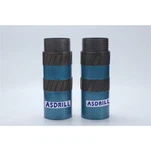
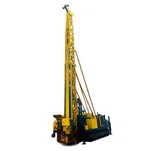
In oil and gas extraction and geological exploration, drill tools are core equipment, and their performance directly impacts operational efficiency and safety. Scientifically managed maintenance cycles not only extend drill tool life but also reduce the risk of failure and ensure operational continuity. This article will discuss key drill tool maintenance cycles and precautions.
Drill tool maintenance cycles are typically determined based on frequency of use, operating conditions, and material properties. Generally, a basic inspection should be performed after each operation, including thread cleaning, surface wear inspection, and seal condition assessment. Minor wear or stain accumulation should be promptly cleaned and rust-proofed with oil to prevent corrosion.
For high-intensity operating environments, such as deep wells or high-temperature and high-pressure areas, drill tool maintenance cycles should be shortened to every 50-100 hours. Special attention should be paid to inspecting the drill pipe for cracks, deformation, or corrosion, especially at the joints, which are subject to the greatest stress and are prone to failure. Furthermore, bearings in the drill collar and stabilizer require regular lubrication to prevent performance degradation due to frictional overheating.
Drill tools that have been out of service for extended periods also require periodic maintenance. Even when not in use, metal components can still be damaged by oxidation or moisture. A comprehensive inspection of inventory drill tools is recommended every quarter, including lubrication of threads, cleaning of internal channels, and coating integrity testing. Any rust or coating peeling should be repaired promptly to prevent compromising sealing and strength during subsequent use.
Modern drill tool management is increasingly incorporating digital monitoring technologies. Sensors collect real-time vibration, temperature, and pressure data to predict potential failures and optimize maintenance schedules. This "predictive maintenance" model reduces unnecessary disassembly and inspections while also avoiding costly downtime caused by unexpected damage.
A well-defined maintenance cycle is fundamental to ensuring drill tool performance. Companies should flexibly adjust maintenance strategies based on actual operating conditions and integrate new technologies to improve management efficiency, thereby maintaining their equipment reliability advantage in the face of fierce market competition.