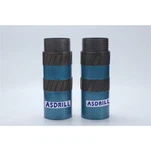
In recent years, with the growing demand for global geological exploration and resource development, core drills, as key equipment, have played a vital role in the mining, energy, and infrastructure sectors. This article will explore the practical applications and development trends of core drills from the perspectives of technical features, operating experience, and maintenance key points.
Technical Features and Selection Key Points
The core function of a core drill rig is to obtain high-precision core samples, and its performance directly impacts the reliability of exploration data. Modern core drills generally use hydraulic drive systems, which offer higher power output and stability. When selecting equipment, it is important to consider drilling depth, speed range, and adaptability to formations. For example, hard rock formations require a higher torque rig, while soft formations prioritize drilling efficiency and sampling integrity. Furthermore, the widespread use of automated control systems has significantly improved operational precision and reduced the need for manual intervention.
Field Operation Experience
In actual operations, the performance of a core drill rig often depends on the experience of the operating team. First and foremost, the proper setting of drilling parameters, including weight on bit, speed, and flushing fluid flow rate, is crucial. Excessive drilling pressure can cause excessive wear on the drill bit, while insufficient flushing fluid can compromise the integrity of the core. Furthermore, real-time monitoring of formation changes is key to improving efficiency. Experienced operators can assess formation properties through indicators such as drilling resistance and return water color, allowing them to adjust parameters promptly to avoid drill sticking or core breakage. Furthermore, the stability of the drilling rig directly impacts operational safety, especially in complex terrain or inclement weather. Reliable anchoring is crucial, especially in complex terrain or inclement weather.
Maintenance and Care Recommendations
Proper maintenance is essential for the long-term and stable operation of a core drilling rig. Daily inspections should include checking the hydraulic system oil level, drill pipe wear, and the tightening status of key components. Regular replacement of filters and hydraulic oil can effectively extend the life of the equipment. During periods of inactivity, the drilling rig should be treated with rust prevention and properly stored to prevent component deformation. It is important to note that many failures are caused by improper operation, so systematic operator training is a crucial measure to reduce maintenance costs.
With continuous technological advancements, core drilling rigs are becoming increasingly intelligent and environmentally friendly. In the future, more efficient power systems and more accurate data collection functions will become the focus of the industry, providing stronger support for global resource exploration.