When it comes to geological exploration, mining, and construction projects, the hydraulic surface coring rig plays a crucial role. As a leading supplier of Hydraulic Surface Coring Rig, I often get asked about the lifting capacity of these powerful machines. In this blog post, I will delve into the factors that determine the lifting capacity of a hydraulic surface coring rig and why it matters in various applications.


Understanding Hydraulic Surface Coring Rigs
Before we discuss the lifting capacity, let's briefly understand what a hydraulic surface coring rig is. A Hydraulic Surface Core Drilling Rig is a specialized piece of equipment used to extract core samples from the ground. These rigs are designed to drill deep into the earth's surface, collecting cylindrical samples of rock, soil, or other materials. The core samples provide valuable information about the geological composition of the area, which is essential for mineral exploration, environmental studies, and construction projects.
Hydraulic surface coring rigs are powered by hydraulic systems, which use fluid pressure to generate the force needed for drilling and lifting. The hydraulic system consists of a pump, valves, cylinders, and hoses that work together to control the movement of the drill string and the core barrel. The rig is typically mounted on a truck, trailer, or skid, making it easy to transport to different job sites.
Factors Affecting Lifting Capacity
The lifting capacity of a hydraulic surface coring rig is determined by several factors, including the design of the rig, the power of the hydraulic system, and the type of drill string and core barrel being used. Let's take a closer look at each of these factors:
Rig Design
The design of the rig plays a significant role in determining its lifting capacity. A well-designed rig will have a sturdy frame and a robust hydraulic system that can handle the weight of the drill string and the core barrel. The rig's mast, which supports the drill string, must be strong enough to withstand the forces generated during drilling and lifting. Additionally, the rig's winch and hoist system must be capable of lifting the drill string and the core barrel safely and efficiently.
Hydraulic System Power
The power of the hydraulic system is another crucial factor in determining the lifting capacity of the rig. A more powerful hydraulic system can generate more force, allowing the rig to lift heavier loads. The hydraulic system's power is typically measured in terms of its pressure and flow rate. Higher pressure and flow rates result in greater lifting capacity.
Drill String and Core Barrel
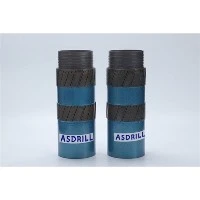
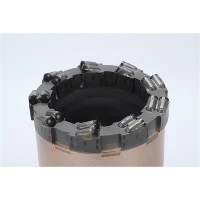
The type of drill string and core barrel being used also affects the lifting capacity of the rig. The drill string is the series of pipes that connect the drill bit to the rig's mast. The core barrel is the device that collects the core samples. Different types of drill strings and core barrels have different weights and dimensions, which can impact the rig's lifting capacity. For example, a larger and heavier core barrel will require more lifting force than a smaller one.
Importance of Lifting Capacity
The lifting capacity of a hydraulic surface coring rig is an important consideration for several reasons. First and foremost, it determines the maximum depth and diameter of the core samples that can be extracted. A rig with a higher lifting capacity can handle larger and heavier drill strings and core barrels, allowing for deeper and wider core sampling. This is particularly important in mineral exploration, where larger core samples are often required to accurately assess the mineral content of the area.
Secondly, the lifting capacity of the rig affects its efficiency and productivity. A rig with a higher lifting capacity can lift the drill string and the core barrel more quickly, reducing the time required for each drilling cycle. This can result in significant time and cost savings, especially in large-scale projects.
Finally, the lifting capacity of the rig is crucial for ensuring the safety of the operators and the equipment. A rig that is overloaded or unable to handle the weight of the drill string and the core barrel can pose a serious risk of accidents and equipment damage. Therefore, it is essential to choose a rig with a lifting capacity that is appropriate for the specific application.
Determining the Right Lifting Capacity
When selecting a hydraulic surface coring rig, it is important to consider the specific requirements of the project. Factors such as the depth and diameter of the core samples, the type of rock or soil being drilled, and the location of the job site will all influence the required lifting capacity. It is also important to consider the rig's overall performance, including its drilling speed, accuracy, and reliability.
As a supplier of Hydraulic Surface Core Drill Rig, I can provide expert advice and guidance on choosing the right rig for your project. Our team of experienced professionals can help you assess your needs and recommend a rig with the appropriate lifting capacity and features.
Conclusion
The lifting capacity of a hydraulic surface coring rig is a critical factor in its performance and effectiveness. By understanding the factors that affect lifting capacity and choosing the right rig for your project, you can ensure that you have the equipment you need to achieve your exploration and construction goals.
If you are interested in learning more about our hydraulic surface coring rigs or have any questions about lifting capacity, please do not hesitate to contact us. We are here to help you find the best solution for your needs and provide you with the support and expertise you need to succeed.