Hey there! If you're in the mining, construction, or geotechnical exploration field, you've probably heard about the Hydraulic Surface Coring Rig. I'm a supplier of these bad boys, and today I want to break down the coring process of a Hydraulic Surface Coring Rig. Buckle up, because we're about to dive deep into the world of coring!
1. Pre - operation Preparation
Before we start the actual coring process, there's a ton of groundwork to do. First off, we need to scout out the location. We've got to ensure the ground is stable and can support the weight of the rig. You don't want your rig toppling over in the middle of a job, right?
Once we've found a suitable spot, it's time to set up the rig. This involves leveling the rig using its hydraulic outriggers. We use a spirit level to make sure it's perfectly horizontal. A level rig is crucial because it ensures that the drill hole will be straight.
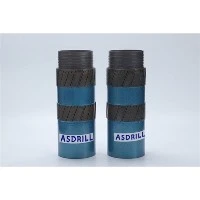
Next, we assemble the drill string. The drill string is made up of drill rods that are connected end - to - end. We also attach the core barrel to the end of the drill string. The core barrel is where we'll collect the rock core samples. You can check out our Hydraulic Surface Core Drill Rig for the high - quality equipment we use in this process.


2. Drilling
Once everything is set up, it's showtime! We start the engine of the Hydraulic Surface Coring Rig. The hydraulic system powers the rotation and feed of the drill string. The rotation speed and feed rate need to be adjusted according to the type of rock we're drilling through.
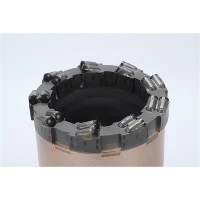
For softer rocks, we can use a higher rotation speed and a faster feed rate. But when it comes to harder rocks, we've got to slow things down. If we go too fast, we might damage the drill bit or break the core.
As the drill bit penetrates the rock, the core barrel starts to collect the rock core. The core barrel has an inner tube that holds the core sample. The outer tube rotates with the drill string, while the inner tube remains stationary. This helps to keep the core intact.
During the drilling process, we also need to circulate drilling fluid. The drilling fluid, usually a mixture of water and additives, serves several purposes. It cools the drill bit, reduces friction, and carries the rock cuttings back to the surface. Without proper fluid circulation, the drill bit can overheat and wear out quickly.
3. Core Retrieval
Once we've drilled a certain depth, it's time to retrieve the core. We use a wireline system for this. The wireline is a cable that runs through the center of the drill string. We lower a wireline retrieval tool down the drill string to the core barrel.
The retrieval tool latches onto the inner tube of the core barrel and pulls it up to the surface. This way, we can get the core sample out without having to pull the entire drill string out of the hole. It saves a lot of time and effort, especially when drilling deep holes.
When the core sample reaches the surface, we carefully remove it from the inner tube. We measure the length of the core and label it with information like the depth and location where it was taken. This data is super important for geological analysis.
4. Hole Inspection and Re - drilling
After retrieving the core, we inspect the drill hole. We use a borehole camera to check for any signs of damage or instability in the hole. If there are any issues, we might need to take corrective actions, like installing casing to reinforce the hole.
Once the hole is inspected and deemed okay, we can start the process all over again. We re - assemble the core barrel on the drill string and continue drilling deeper into the earth. This process is repeated until we reach the desired depth or obtain enough core samples for our analysis.
5. Post - operation Clean - up and Maintenance
When we're done with the coring job, it's important to clean up and maintain the rig. We clean the drill rods, core barrels, and other equipment to remove the rock cuttings and drilling fluid. This helps to prevent corrosion and keeps the equipment in good working condition.
We also perform a thorough maintenance check on the rig. We check the hydraulic system for any leaks, inspect the engine oil and coolant levels, and make sure all the moving parts are well - lubricated. Regular maintenance is the key to ensuring the longevity and reliability of our Hydraulic Surface Coring Rigs.
Why Choose Our Hydraulic Surface Coring Rigs?
Our rigs are designed with the latest technology to ensure high - performance and efficiency. They are built tough to withstand the rigors of even the most demanding work environments. With features like adjustable drilling speed and feed rate, our rigs can handle a wide range of rock types.
Our team of experts is always on standby to provide technical support and training. We understand that every project is unique, and we're committed to helping you find the best solution for your coring needs. Whether you're a small - scale exploration company or a large - scale mining operation, our Hydraulic Surface Core Drilling Rig can meet your requirements.
Let's Talk Business!
If you're interested in learning more about our Hydraulic Surface Coring Rigs or you're ready to make a purchase, don't hesitate to get in touch. We're more than happy to have a chat about your specific needs and provide you with a detailed quote. Let's work together to take your coring projects to the next level!