Operating a hydraulic portable core drill rig safely is of utmost importance in the drilling industry. As a supplier of Hydraulic Portable Core Drill Rig, we understand the significance of providing our customers with the knowledge and guidance to ensure safe operations. In this blog, we will discuss the key steps and best practices for safely operating a hydraulic portable core drill rig.
Pre - operation Preparation
Before starting the drill rig, a series of pre - operation checks are essential. First, inspect the drill rig thoroughly. Check for any visible signs of damage such as cracks in the frame, leaks in the hydraulic system, or loose components. The hydraulic system is the heart of the drill rig, so ensure that all hydraulic hoses are properly connected and in good condition. A damaged hose can lead to hydraulic fluid leakage, which not only affects the performance of the drill rig but also poses a safety hazard.
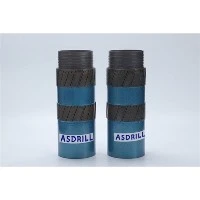
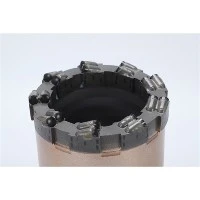
Verify the integrity of the drill bit. A dull or damaged drill bit can cause uneven drilling, increase the risk of bit breakage, and may even damage the core samples. Make sure the drill bit is sharp and properly installed.
Check the power source. If it is a diesel - powered drill rig, ensure that there is enough fuel and that the engine is in good working condition. For electric - powered drill rigs, check the electrical connections and make sure the power supply is stable.
Site Selection and Setup
Selecting the right site for drilling is crucial. The ground should be stable and level. Uneven ground can cause the drill rig to tip over during operation, leading to serious accidents. If the ground is soft or unstable, use appropriate stabilizing equipment such as outriggers or mats to ensure the stability of the drill rig.
Clear the work area of any obstacles, debris, or personnel. Mark the boundaries of the work area to prevent unauthorized access. Ensure that there are no underground utilities such as gas pipes, water pipes, or electrical cables in the drilling area. Contact the local utility companies to obtain information about the underground infrastructure before starting the drilling operation.
Operator Training
Proper operator training is a must. Operators should be familiar with the drill rig's controls, functions, and safety features. They should understand how to start and stop the drill rig, adjust the drilling parameters such as speed and pressure, and handle emergency situations.
Training should cover both theoretical knowledge and practical skills. Theoretical training can include topics such as the working principle of the drill rig, hydraulic system operation, and safety regulations. Practical training allows operators to gain hands - on experience in operating the drill rig under different conditions.
Drilling Operation
During the drilling operation, operators should follow the correct procedures. Start the drill rig slowly and gradually increase the drilling speed and pressure. Monitor the drilling process closely. Pay attention to the drilling depth, the condition of the core samples, and the performance of the drill rig.
If the drill bit encounters hard rock or other obstacles, do not force the drill rig. Instead, adjust the drilling parameters or use appropriate techniques to overcome the obstacle. For example, you can reduce the drilling speed and increase the pressure slightly.
Maintain proper lubrication of the drill bit. Lubrication helps to reduce friction, prevent overheating, and extend the life of the drill bit. Use the recommended lubricant and apply it at the appropriate intervals.


Safety Precautions
Wear appropriate personal protective equipment (PPE) at all times. This includes safety helmets, safety glasses, ear protection, gloves, and safety shoes. PPE can protect operators from potential hazards such as flying debris, noise, and chemical exposure.
Install safety guards on the drill rig. Safety guards can prevent operators from coming into contact with moving parts, reducing the risk of injury. Make sure all safety guards are in place and in good condition before starting the drill rig.
Establish an emergency response plan. In case of an emergency such as a fire, hydraulic fluid leakage, or equipment failure, operators should know what to do. The emergency response plan should include procedures for evacuating the work area, shutting down the drill rig, and contacting emergency services.
Maintenance and Inspection
Regular maintenance and inspection are essential for the safe and efficient operation of the drill rig. Schedule routine maintenance tasks such as changing the hydraulic fluid, replacing filters, and lubricating moving parts. Follow the manufacturer's recommendations for maintenance intervals and procedures.
Conduct regular inspections of the drill rig. Check for any signs of wear and tear, damage, or malfunction. Inspect the hydraulic system, electrical system, and mechanical components. If any problems are found, repair or replace the damaged parts immediately.
Post - operation Procedures
After the drilling operation is completed, shut down the drill rig properly. Follow the correct shutdown procedures to ensure that all systems are turned off safely.
Clean the drill rig thoroughly. Remove any dirt, debris, or drilling fluid from the drill rig. This helps to prevent corrosion and damage to the equipment.
Store the drill rig in a safe and dry place. Protect the drill rig from the elements and ensure that it is properly secured.
Conclusion
Operating a Hydraulic Portable Core Drill Rig safely requires careful preparation, proper training, and strict adherence to safety procedures. By following the steps and best practices outlined in this blog, operators can minimize the risk of accidents and ensure the efficient and safe operation of the drill rig.
If you are interested in our Hydraulic Portable Drill Rig or have any questions about its operation and safety, please feel free to contact us for further discussion and potential procurement. We are committed to providing high - quality products and professional services to meet your drilling needs.