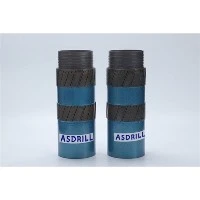
Hey there, drilling enthusiasts! As a supplier of Drill Rods & Casing, I've seen firsthand the importance of proper alignment during installation. It's not just about getting the job done; it's about doing it right to ensure safety, efficiency, and the longevity of your equipment. In this blog, I'm gonna share some tips on how to ensure the proper alignment of drill rods and casing during installation.
Understanding the Basics of Alignment
Before we dive into the nitty - gritty of alignment, let's quickly go over why it matters. When drill rods and casing are properly aligned, the drilling process is smoother. You'll experience less wear and tear on your equipment, reduced chances of breakage, and more accurate drilling results. Misaligned drill rods can lead to uneven stress distribution, which may cause the rods to bend or break. This not only costs you time and money in repairs but can also pose a safety hazard on the job site.
Pre - installation Checks
- Inspect the Equipment
- Before you start the installation, take a good look at your drill rods and casing. Check for any signs of damage, such as cracks, bends, or worn - out threads. Damaged equipment can't be properly aligned and may cause problems during the drilling process. For example, a bent drill rod will naturally deviate from the intended path, making it almost impossible to achieve proper alignment.
- Check the Drilling Rig
- The drilling rig is the foundation for the entire operation. Make sure it's level and stable. An uneven rig can throw off the alignment of the drill rods and casing right from the start. Use a spirit level to check the horizontal and vertical alignment of the rig. Adjust the rig's legs or supports as needed to ensure it's perfectly level.
Setting Up the Guide System
- Use a Guide Tube
- A guide tube is a great tool for ensuring proper alignment. It provides a stable path for the drill rods and casing during installation. Place the guide tube at the start of the drilling hole and make sure it's firmly secured. The guide tube should be straight and aligned with the intended drilling direction. This will help the drill rods and casing enter the hole in a straight line.
- Align the Guide System with the Drilling Target
- Whether you're drilling for a water well, a geothermal system, or a construction project, you need to align the guide system with the target. Use surveying tools, such as a theodolite or a GPS system, to accurately determine the position of the target. Then, adjust the guide system accordingly. This step is crucial for achieving the desired drilling accuracy.
Installation Process
- Start Slowly
- When you begin installing the drill rods and casing, start at a slow speed. This allows you to monitor the alignment closely and make any necessary adjustments. As you add each new section of drill rod or casing, check the alignment again. Use a plumb bob or a laser alignment tool to ensure that the rods and casing are vertical or at the correct angle.
- Tighten the Connections Properly
- The connections between the drill rods and casing are critical for maintaining alignment. Tighten the threaded connections to the recommended torque specifications. Over - tightening can damage the threads, while under - tightening can cause the connections to come loose during the drilling process. Use a torque wrench to ensure consistent and proper tightening.
Monitoring and Adjusting
- Regularly Check the Alignment
- Throughout the installation process, keep checking the alignment. You can use visual inspection, along with alignment tools like a laser level or a gyroscopic alignment device. If you notice any deviation from the intended alignment, stop the installation immediately and make the necessary adjustments.
- Adjust as Needed
- If the alignment is off, don't try to force the drill rods or casing into place. Instead, carefully analyze the cause of the misalignment. It could be due to an uneven drilling surface, a problem with the guide system, or an issue with the equipment itself. Once you've identified the cause, make the appropriate adjustments. For example, if the guide tube has shifted, re - align and re - secure it.
Complementary Tools for Alignment
- PDC Core Bits
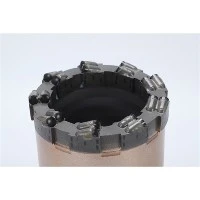
- Using high - quality PDC Core Bits can also contribute to proper alignment. These bits are designed to cut through various rock formations efficiently. A well - functioning PDC core bit will follow the alignment of the drill rods more accurately, reducing the chances of deviation.
- Overshot
- An Overshot is a useful tool for retrieving lost or stuck drill rods. In some cases, a stuck drill rod can cause misalignment. By using an overshot to retrieve the rod, you can get the installation back on track and ensure proper alignment.
- Impregnated Diamond Bits
- Impregnated Diamond Bits are another great option for improving alignment. These bits are very durable and can maintain a straight drilling path. They're especially useful when drilling through hard rock formations, where alignment can be more challenging.
Conclusion
Proper alignment of drill rods and casing during installation is essential for a successful drilling operation. By following these tips, from pre - installation checks to using the right tools and monitoring the process, you can ensure that your drill rods and casing are installed correctly. This will not only save you time and money but also improve the safety and efficiency of your drilling project.
If you're in the market for high - quality Drill Rods & Casing, or any of the complementary tools I've mentioned, don't hesitate to reach out. We're here to help you with all your drilling needs. Whether you're a small - scale contractor or a large - scale drilling company, we've got the products and expertise to support your projects. Contact us today to start a conversation about your requirements and let's work together to make your drilling operations a success.


References
- "Drilling Equipment Handbook" by John Doe
- "Best Practices in Drilling Alignment" by Jane Smith
- Industry reports on drilling technology and equipment